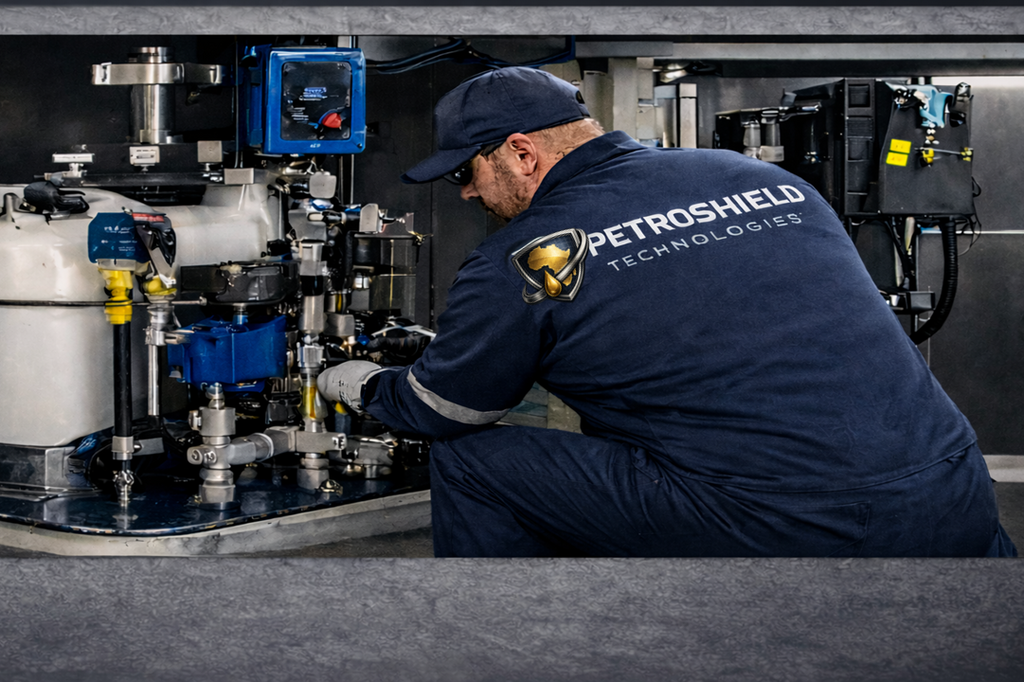
PetroShield Technologies is a specialised fuel reliability engineering company focused on protecting critical diesel infrastructure across Africa.
We provide advanced solutions for diesel fuel contamination prevention, fuel system integrity, and generator fuel reliability. Our services are specifically designed for organisations that depend on standby generators, bulk fuel storage, and fleet fuel systems where clean, stable diesel is essential for operational continuity.
Over time, stored diesel fuel can degrade due to water ingress, microbial growth, oxidation, and sediment accumulation. These issues often remain undetected until they cause equipment failure, injector damage, generator malfunction, and costly downtime.
PetroShield Technologies addresses these risks through a comprehensive approach that includes:
• Professional diesel fuel polishing
• Fuel integrity assessments
• Contamination prevention strategies
• Automated additive dosing systems
Our engineering-driven solutions restore and maintain fuel quality, ensuring your generators, fleet equipment, and fuel infrastructure operate reliably when it matters most.
• Water ingress
• Microbial growth
• Sludge accumulation
• Oxidation and sediment
This can lead to generator failure, equipment damage and operational downtime.
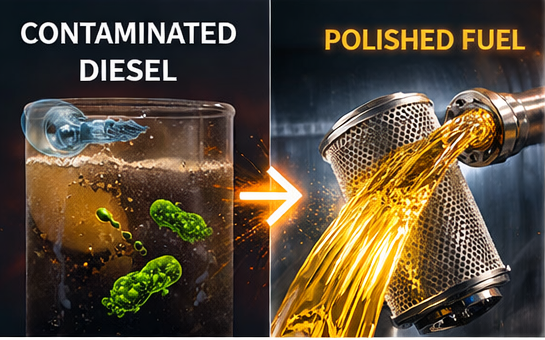
Diesel fuel stored in tanks naturally degrades over time due to water ingress, microbial growth, oxidation, and sediment accumulation. These contaminants can form sludge within the fuel system, clog filters, damage injectors, and cause generator or engine failure when equipment is needed most.
Fuel polishing is a specialised filtration and treatment process designed to restore and maintain the quality of stored diesel fuel.
At PetroShield Technologies, our fuel polishing systems circulate fuel through high-efficiency filtration and water separation stages that remove:
• Water contamination
• Microbial growth and bio-sludge
• Sediment and particulate matter
• Oxidised fuel by-products
This process restores diesel fuel clarity, improves fuel stability, and protects critical equipment from contamination-related failures.
Fuel polishing is particularly important for facilities that rely on standby generators, fleet fuel storage, and long-term diesel storage, where fuel may remain in tanks for extended periods.
By maintaining fuel integrity, PetroShield Technologies helps organisations:
• Prevent generator failure during power outages
• Extend the lifespan of injectors and fuel pumps
• Reduce maintenance and repair costs
• Improve operational reliability
Our fuel polishing solutions are designed to ensure that stored diesel fuel remains clean, stable, and ready for use when your operations depend on it.
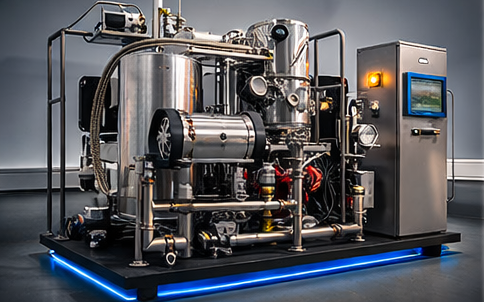
Long-term diesel storage requires preventative treatment to protect fuel from microbial contamination and degradation. Without consistent protection, stored diesel can develop microbial growth, sludge formation, and reduced fuel stability.
PetroShield Technologies designs and installs automated fuel dosing systems that continuously protect stored diesel fuel by injecting specialised fuel additives at precise ratios.
These systems automatically treat fuel within the storage system, preventing contamination and maintaining fuel stability over extended storage periods.
Our automated dosing systems provide:
• Precise additive injection ratios
• Continuous contamination prevention
• Reduced manual intervention
• Improved long-term fuel stability
• Protection against microbial growth and sludge formation
Automated dosing systems are particularly beneficial for facilities where diesel fuel is stored for long periods, such as hospitals, data centers, commercial facilities, and logistics depots.
By maintaining consistent fuel treatment, these systems help ensure stored diesel remains clean, stable, and ready for reliable equipment operation.
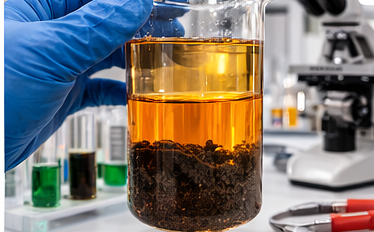
Maintaining clean diesel fuel begins with understanding the condition of both the fuel and the storage system. Many facilities assume their diesel fuel is clean until contamination leads to equipment failure or generator malfunction.
PetroShield Technologies provides professional fuel integrity assessments designed to identify contamination risks before they impact equipment performance.
Our assessments evaluate key factors affecting fuel quality, including the presence of water contamination, microbial growth, sediment accumulation, and fuel degradation.
During a fuel integrity assessment, our technicians inspect the fuel storage system and analyse samples to determine the overall condition of the stored diesel.
Our assessment services include:
• Fuel sampling and visual analysis
• Water contamination detection
• Identification of microbial growth
• Evaluation of fuel clarity and sediment levels
• Inspection of storage tanks and associated fuel systems
Based on our findings, we provide recommendations to restore and protect fuel quality through fuel polishing, contamination treatment, or preventative maintenance strategies.
Fuel integrity assessments help organisations prevent unexpected equipment failures and maintain reliable generator and fuel system performance.